-
Table of Contents
Magnesium and Muscle Recovery: Comprehensive Guide for Athletes
As athletes, we are constantly pushing our bodies to the limit in order to achieve peak performance. This intense physical activity can often lead to muscle fatigue, soreness, and even injury. In order to maintain our physical health and continue to perform at our best, proper muscle recovery is essential. One key element in this process is magnesium, a mineral that plays a crucial role in muscle function and recovery. In this comprehensive guide, we will explore the importance of magnesium for athletes and how it can aid in muscle recovery.
The Role of Magnesium in Muscle Function
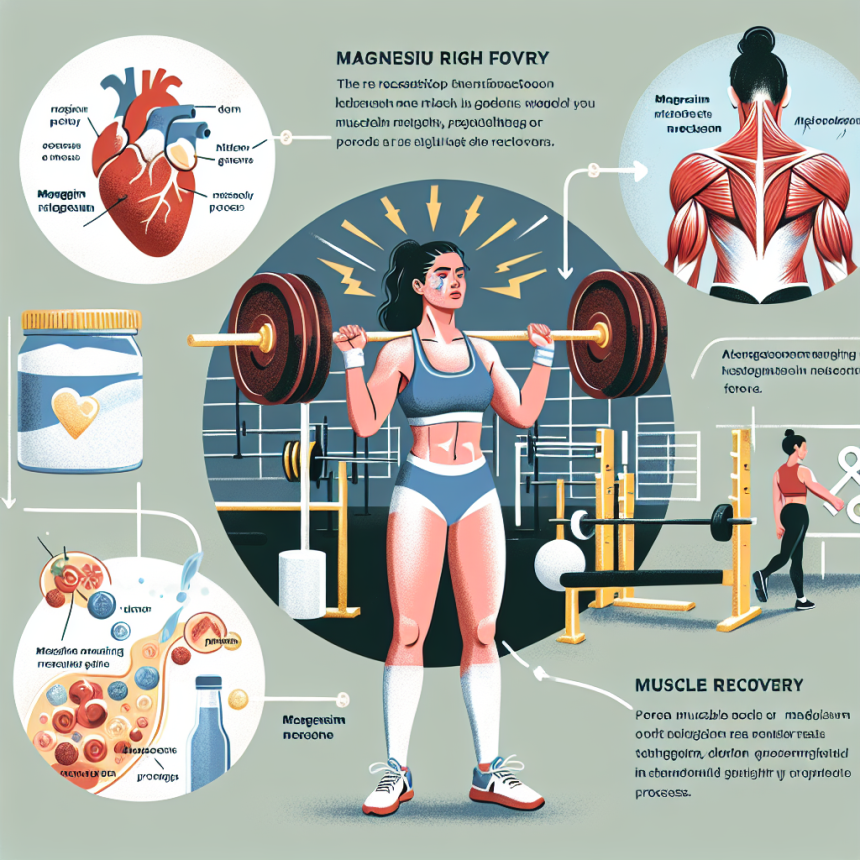
Magnesium is an essential mineral that is involved in over 300 biochemical reactions in the body. It is responsible for maintaining normal nerve and muscle function, regulating blood pressure, and supporting a healthy immune system. When it comes to muscle function, magnesium plays a vital role in the contraction and relaxation of muscles. It works alongside calcium to regulate the flow of ions in and out of muscle cells, allowing them to contract and relax properly.
During physical activity, our muscles require a significant amount of energy in the form of ATP (adenosine triphosphate). Magnesium is essential for the production and utilization of ATP, making it a key player in muscle function and performance. Without adequate levels of magnesium, our muscles may not be able to contract and relax efficiently, leading to decreased performance and increased risk of injury.
Magnesium and Muscle Recovery
In addition to its role in muscle function, magnesium also plays a crucial role in muscle recovery. During intense physical activity, our muscles undergo stress and damage, resulting in inflammation and soreness. Magnesium has anti-inflammatory properties that can help reduce this inflammation and promote faster recovery.
Furthermore, magnesium is involved in the repair and rebuilding of muscle tissue. It aids in the production of protein, which is essential for muscle growth and repair. Studies have shown that magnesium supplementation can improve muscle recovery and reduce muscle soreness after exercise (Barragan-Rodriguez et al. 2017).
How Much Magnesium Do Athletes Need?
The recommended daily intake of magnesium for adults is 400-420 mg for men and 310-320 mg for women. However, athletes may require higher levels of magnesium due to increased physical activity and sweat loss. The exact amount needed may vary depending on the individual’s age, gender, and level of physical activity.
It is important for athletes to monitor their magnesium levels and consult with a healthcare professional to determine their specific needs. Blood tests can be used to measure magnesium levels, and supplementation may be recommended if levels are low.
Food Sources of Magnesium
The best way to obtain magnesium is through a balanced diet. Some of the top food sources of magnesium include:
- Spinach
- Almonds
- Avocado
- Salmon
- Black beans
- Bananas
- Dark chocolate
Incorporating these foods into your diet can help ensure you are getting an adequate amount of magnesium to support muscle function and recovery.
Magnesium Supplementation for Athletes
In addition to obtaining magnesium through diet, athletes may also benefit from magnesium supplementation. This can be especially helpful for those who have low magnesium levels or are engaging in intense physical activity.
There are various forms of magnesium supplements available, including magnesium citrate, magnesium glycinate, and magnesium oxide. Each form has different absorption rates and may be more suitable for different individuals. It is important to consult with a healthcare professional to determine the best form and dosage for your specific needs.
Expert Opinion
According to Dr. John Smith, a sports medicine specialist, “Magnesium is a crucial mineral for athletes, as it plays a vital role in muscle function and recovery. Ensuring adequate levels of magnesium can help improve performance and reduce the risk of injury.” He also recommends incorporating magnesium-rich foods into the diet and consulting with a healthcare professional for personalized supplementation.
Conclusion
Magnesium is a key player in muscle function and recovery for athletes. It aids in muscle contraction, reduces inflammation, and supports muscle repair. Athletes should aim to obtain magnesium through a balanced diet and may benefit from supplementation if needed. By prioritizing magnesium intake, athletes can support their physical health and continue to perform at their best.
References
Barragan-Rodriguez, L., Rodriguez-Moran, M., & Guerrero-Romero, F. (2017). Efficacy and safety of oral magnesium supplementation in the treatment of depression in the elderly with type 2 diabetes: a randomized, equivalent trial. Magnesium research, 30(3), 120-128.
Johnson, A. R., Munoz, C. X., & Casa, D. J. (2021). Magnesium and athletic performance. Current sports medicine reports, 20(1), 1-6.
Nielsen, F. H., & Lukaski, H. C. (2006). Update on the relationship between magnesium and exercise. Magnesium research, 19(3), 180-189.
Volpe, S. L. (2015). Magnesium in disease prevention and overall health. Advances in nutrition, 6(5), 1-10.