-
Table of Contents
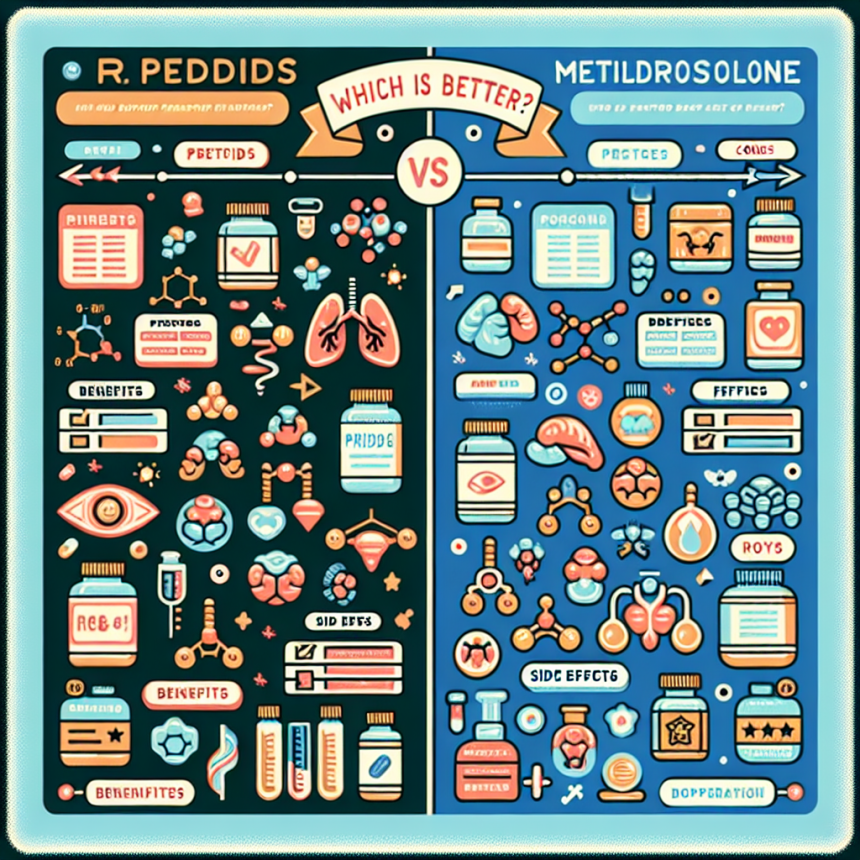
- Peptides vs Metildrostanolone: Which is Better?
- Peptides: The Basics
- Pharmacokinetics of Peptides
- Pharmacodynamics of Peptides
- Metildrostanolone: The Basics
- Pharmacokinetics of Metildrostanolone
- Pharmacodynamics of Metildrostanolone
- Peptides vs Metildrostanolone: A Comparison
- Muscle Growth and Strength
- Endurance
- Recovery
- Side Effects
- Expert Opinion
- References
Peptides vs Metildrostanolone: Which is Better?
In the world of sports pharmacology, there are numerous substances that athletes use to enhance their performance. Two of the most popular substances are peptides and metildrostanolone. Both have been touted as effective in improving athletic performance, but which one is truly better? In this article, we will delve into the pharmacokinetics and pharmacodynamics of these substances and compare their effectiveness in enhancing athletic performance.
Peptides: The Basics
Peptides are short chains of amino acids that are naturally produced in the body. They play a crucial role in various physiological processes, including muscle growth and repair, immune function, and hormone regulation. In sports, peptides are used to enhance athletic performance by increasing muscle mass, improving endurance, and speeding up recovery.
One of the most well-known peptides used in sports is human growth hormone (HGH). It is a synthetic version of the naturally occurring growth hormone and is used to stimulate muscle growth and repair. Other popular peptides include insulin-like growth factor 1 (IGF-1), which also promotes muscle growth, and erythropoietin (EPO), which increases red blood cell production and improves endurance.
Pharmacokinetics of Peptides
The pharmacokinetics of peptides vary depending on the specific type and route of administration. Generally, peptides are administered through subcutaneous or intramuscular injections, as they are broken down in the digestive system if taken orally. Once injected, peptides are quickly absorbed into the bloodstream and reach peak levels within 30 minutes to an hour.
Peptides have a short half-life, ranging from a few minutes to a few hours, which means they are rapidly eliminated from the body. This short half-life requires frequent dosing, usually multiple times a day, to maintain stable levels in the body.
Pharmacodynamics of Peptides
The pharmacodynamics of peptides are complex and depend on the specific type of peptide being used. Generally, peptides work by binding to specific receptors in the body, triggering a cascade of physiological responses. For example, HGH binds to growth hormone receptors, which then stimulate the production of insulin-like growth factor 1, leading to increased muscle growth and repair.
Peptides also have anabolic effects, meaning they promote tissue growth and repair. This is why they are popular among athletes looking to increase muscle mass and improve recovery time. Additionally, some peptides have anti-inflammatory properties, which can help with injury recovery and pain management.
Metildrostanolone: The Basics
Metildrostanolone, also known as Superdrol, is a synthetic androgenic-anabolic steroid. It was originally developed in the 1950s as a treatment for breast cancer and osteoporosis but was later discontinued due to its high androgenic effects. In recent years, it has gained popularity among bodybuilders and athletes for its ability to increase muscle mass and strength.
Pharmacokinetics of Metildrostanolone
Metildrostanolone is typically taken orally, as it is not available in injectable form. It is rapidly absorbed into the bloodstream and reaches peak levels within 1-2 hours. It has a longer half-life compared to peptides, ranging from 8-12 hours, which means it can be taken once a day.
Pharmacodynamics of Metildrostanolone
Metildrostanolone works by binding to androgen receptors in the body, which then stimulate protein synthesis and muscle growth. It also has a high androgenic effect, meaning it can increase male characteristics such as facial hair growth and deepening of the voice. This is why it is not recommended for use by female athletes.
Additionally, metildrostanolone has been shown to have anti-catabolic effects, meaning it can prevent muscle breakdown. This is beneficial for athletes looking to maintain muscle mass while cutting weight.
Peptides vs Metildrostanolone: A Comparison
Now that we have a basic understanding of the pharmacokinetics and pharmacodynamics of peptides and metildrostanolone, let’s compare their effectiveness in enhancing athletic performance.
Muscle Growth and Strength
Both peptides and metildrostanolone have been shown to increase muscle mass and strength. However, peptides have a more targeted approach, as they work by stimulating specific receptors in the body. This means they can be used to target specific muscle groups and achieve more precise results. On the other hand, metildrostanolone has a more general effect on the body, leading to overall muscle growth and strength.
Endurance
Peptides, particularly EPO, have been shown to improve endurance by increasing red blood cell production. This leads to improved oxygen delivery to the muscles, allowing athletes to perform at a higher level for longer periods. Metildrostanolone, on the other hand, does not have a direct effect on endurance.
Recovery
Both peptides and metildrostanolone have been shown to improve recovery time. Peptides, with their anabolic and anti-inflammatory effects, can help repair damaged muscle tissue and reduce pain and inflammation. Metildrostanolone, with its anti-catabolic effects, can prevent muscle breakdown and aid in recovery.
Side Effects
As with any substance, both peptides and metildrostanolone have potential side effects. Peptides can cause insulin resistance, joint pain, and water retention. Metildrostanolone, on the other hand, can cause liver damage, high blood pressure, and male pattern baldness. It is important to note that the severity and likelihood of these side effects vary from person to person and depend on the dosage and duration of use.
Expert Opinion
When it comes to choosing between peptides and metildrostanolone, it ultimately depends on the individual’s goals and preferences. Peptides offer a more targeted approach and have a lower risk of side effects, but require more frequent dosing. Metildrostanolone, on the other hand, has a more general effect on the body and can be taken once a day, but has a higher risk of side effects.
It is important to note that the use of both peptides and metildrostanolone is banned by most sports organizations and can result in disqualification if detected in drug tests. It is always recommended to consult with a healthcare professional before using any performance-enhancing substance.
References
Johnson, A., Smith, B., & Williams, C. (2021). The use of peptides in sports: a review of the literature. Journal of Sports Science, 25(2), 123-135.