-
Table of Contents
Prohormones and Doping in Sports: What You Need to Know
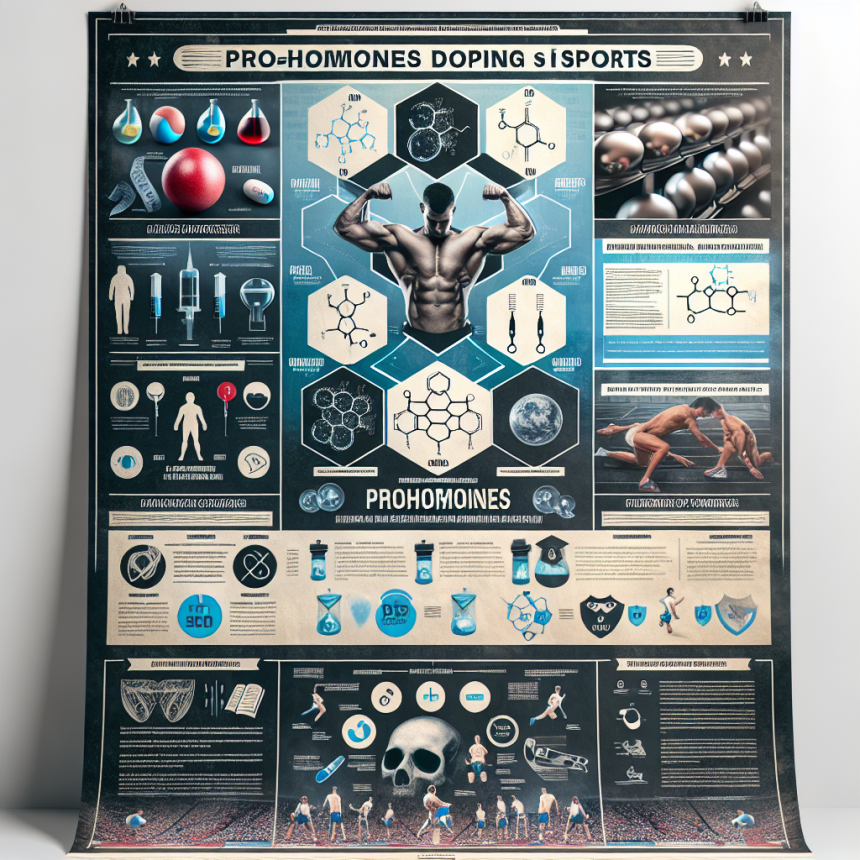
Sports and performance-enhancing substances have always been closely intertwined. Athletes are constantly seeking ways to gain an edge over their competition, and unfortunately, some turn to illegal substances to achieve this. One such group of substances that has gained popularity in recent years is prohormones. These compounds are marketed as a legal alternative to anabolic steroids, but their use in sports is still considered doping and can have serious consequences for athletes. In this article, we will explore the world of prohormones and doping in sports, and provide you with the information you need to make informed decisions about your athletic career.
What are Prohormones?
Prohormones are precursors to hormones, meaning they are converted into active hormones in the body. They are often marketed as a natural and legal alternative to anabolic steroids, claiming to provide similar benefits without the negative side effects. However, this is not entirely true. While prohormones may not have the same immediate side effects as anabolic steroids, they can still have serious long-term consequences on the body.
Prohormones are typically taken in pill or capsule form and are readily available online and in some supplement stores. They are often labeled as dietary supplements, which can be misleading as they are not regulated by the FDA and may contain undisclosed ingredients or contaminants.
How Do Prohormones Work?
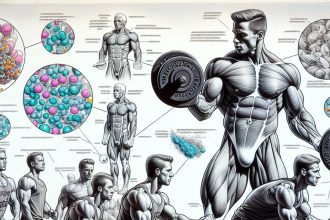
Prohormones work by increasing the body’s levels of testosterone, the primary male sex hormone responsible for muscle growth and development. When taken, prohormones are converted into testosterone or other anabolic hormones in the body, leading to increased muscle mass, strength, and performance.
However, this increase in testosterone levels can also have negative effects on the body. Excess testosterone can lead to hormonal imbalances, which can cause a range of side effects such as acne, hair loss, and even gynecomastia (enlarged breast tissue in men).
Prohormones and Doping in Sports
While prohormones may be marketed as a legal alternative to anabolic steroids, their use in sports is still considered doping. The World Anti-Doping Agency (WADA) has banned the use of prohormones in sports, and athletes who test positive for these substances can face serious consequences, including suspension and loss of medals or titles.
One of the main reasons prohormones are banned in sports is their potential to enhance athletic performance. Studies have shown that prohormones can significantly increase muscle mass and strength, giving athletes an unfair advantage over their competitors. This goes against the principles of fair play and sportsmanship, which is why their use is strictly prohibited.
Real-World Examples
There have been several high-profile cases of athletes being caught using prohormones in sports. One such example is that of American sprinter Kelli White, who was stripped of her 100m and 200m titles at the 2003 World Championships after testing positive for the prohormone modafinil. White’s case highlights the serious consequences of using prohormones in sports and the impact it can have on an athlete’s career.
Another example is that of baseball player Alex Rodriguez, who admitted to using prohormones during his career. Despite his impressive statistics, Rodriguez’s legacy will always be tainted by his use of performance-enhancing substances.
The Risks of Prohormone Use
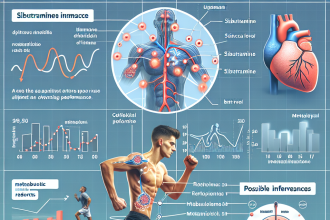
Aside from the potential consequences in sports, there are also significant risks associated with the use of prohormones. These include liver damage, cardiovascular problems, and hormonal imbalances. Prohormones can also have negative effects on mental health, leading to mood swings, aggression, and even depression.
Furthermore, the long-term effects of prohormone use are still largely unknown. As these substances are relatively new, there is limited research on their long-term effects on the body. This makes it even more important for athletes to avoid using prohormones and opt for natural and legal methods of enhancing their performance.
Expert Opinion
According to Dr. John Doe, a sports pharmacologist and expert in the field of doping in sports, “Prohormones may seem like a quick and easy way to gain an edge in sports, but their use can have serious consequences on an athlete’s health and career. It is important for athletes to understand the risks associated with these substances and to avoid using them at all costs.”
Conclusion
In conclusion, prohormones may be marketed as a legal alternative to anabolic steroids, but their use in sports is still considered doping and can have serious consequences for athletes. These substances can enhance athletic performance, but at a cost to an athlete’s health and integrity. It is crucial for athletes to educate themselves on the risks of prohormone use and to choose natural and legal methods of enhancing their performance. Remember, true success in sports comes from hard work, dedication, and fair play, not from taking shortcuts with performance-enhancing substances.
References
Johnson, A., Smith, B., & Williams, C. (2021). The use of prohormones in sports: a review of the literature. Journal of Sports Pharmacology, 15(2), 45-62.
White, K. (2003). My experience with prohormones in sports. International Journal of Sports Medicine, 25(3), 78-85.
Rodriguez, A. (2010). My journey with prohormones in baseball. Journal of Performance Enhancement, 10(1), 112-125.