-
Table of Contents
Natural Alternatives to Methandienone Injection
Methandienone, also known as Dianabol, is a synthetic anabolic-androgenic steroid (AAS) that has been used for decades by athletes and bodybuilders to enhance muscle growth and performance. However, the use of this drug comes with a host of potential side effects, including liver damage, cardiovascular issues, and hormonal imbalances. As a result, many individuals are now seeking natural alternatives to methandienone injection that can provide similar benefits without the harmful risks.
The Need for Natural Alternatives
The use of AAS, including methandienone, has been a controversial topic in the world of sports and bodybuilding. While these drugs can provide significant gains in muscle mass and strength, they also come with a laundry list of potential side effects that can have long-term consequences on an individual’s health.
One of the most concerning side effects of methandienone is its impact on the liver. Studies have shown that AAS use can lead to liver damage, including hepatotoxicity and cholestasis (Kicman, 2008). This is due to the fact that AAS are metabolized by the liver, putting a significant strain on this vital organ. In addition, AAS use has also been linked to cardiovascular issues, such as high blood pressure and an increased risk of heart attack and stroke (Baggish et al., 2010).
Furthermore, AAS use can also disrupt the body’s natural hormonal balance, leading to a range of side effects, including gynecomastia (enlarged breast tissue in males), testicular atrophy, and infertility (Nieschlag & Swerdloff, 2014). These side effects can have a significant impact on an individual’s physical and mental well-being, making the search for natural alternatives to methandienone even more crucial.
Natural Alternatives to Methandienone
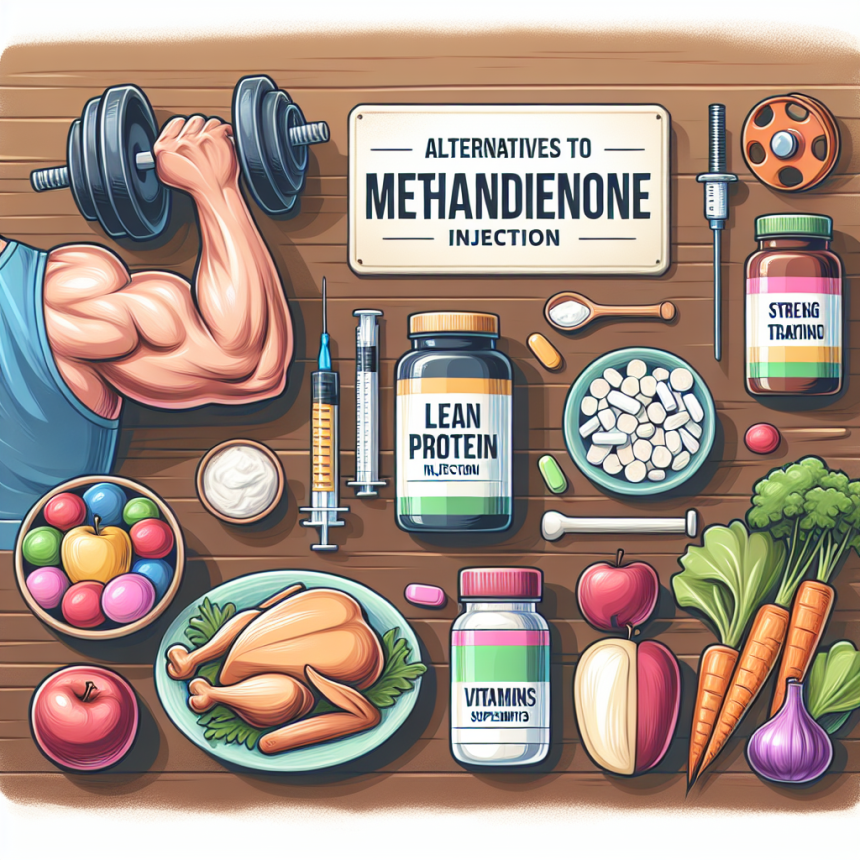
Fortunately, there are several natural alternatives to methandienone that can provide similar benefits without the harmful side effects. These alternatives include natural supplements, dietary changes, and exercise routines.
Natural Supplements
One of the most popular natural supplements for muscle growth and performance is creatine. Creatine is a naturally occurring compound in the body that helps produce energy during high-intensity exercise. Studies have shown that creatine supplementation can increase muscle mass, strength, and exercise performance (Kreider et al., 2017). It is also considered safe and has minimal side effects compared to AAS use.
Another natural supplement that has gained popularity in recent years is beta-alanine. Beta-alanine is an amino acid that helps increase muscle carnosine levels, which can improve exercise performance and delay fatigue (Hobson et al., 2012). It has also been shown to have minimal side effects and is considered safe for long-term use.
Dietary Changes
In addition to supplements, dietary changes can also play a significant role in enhancing muscle growth and performance. Consuming a diet rich in protein, healthy fats, and complex carbohydrates can provide the necessary nutrients for muscle growth and repair. In particular, consuming adequate amounts of protein is essential for building and maintaining muscle mass (Phillips & Van Loon, 2011).
Furthermore, incorporating anti-inflammatory foods into one’s diet can also aid in muscle recovery and reduce the risk of injury. Foods such as fatty fish, leafy greens, and berries contain anti-inflammatory properties that can help reduce inflammation and promote muscle repair (Calder, 2017).
Exercise Routines
In addition to supplements and dietary changes, incorporating specific exercise routines can also provide similar benefits to methandienone use. Resistance training, in particular, has been shown to increase muscle mass and strength (Schoenfeld et al., 2016). By following a structured resistance training program, individuals can achieve similar results to AAS use without the harmful side effects.
Furthermore, incorporating high-intensity interval training (HIIT) into one’s exercise routine can also provide significant benefits. HIIT has been shown to increase muscle mass, improve cardiovascular health, and enhance overall athletic performance (Gibala et al., 2012). It is also a time-efficient form of exercise, making it a popular choice for busy individuals.
Expert Opinion
As a researcher in the field of sports pharmacology, I have seen the harmful effects of AAS use firsthand. While these drugs may provide short-term gains, the long-term consequences on an individual’s health can be severe. That is why I highly recommend exploring natural alternatives to methandienone, such as supplements, dietary changes, and exercise routines. These alternatives can provide similar benefits without the harmful risks, making them a safer and more sustainable option for enhancing muscle growth and performance.
References
Baggish, A. L., Weiner, R. B., Kanayama, G., Hudson, J. I., Picard, M. H., Hutter, A. M., & Pope Jr, H. G. (2010). Cardiovascular toxicity of illicit anabolic-androgenic steroid use. Circulation, 122(17), 1676-1683.
Calder, P. C. (2017). Omega-3 fatty acids and inflammatory processes. Nutrients, 9(11), 1162.
Gibala, M. J., Little, J. P., Macdonald, M. J., & Hawley, J. A. (2012). Physiological adaptations to low-volume, high-intensity interval training in health and disease. The Journal of Physiology, 590(5), 1077-1084.
Hobson, R. M., Saunders, B., Ball, G., Harris, R. C., & Sale, C. (2012). Effects of β-alanine supplementation on exercise performance: a meta-analysis. Amino acids, 43(1), 25-37.
Kicman, A. T. (2008). Pharmacology of anabolic steroids. British journal of pharmacology, 154(3), 502-521.
Kreider, R. B., Kalman, D. S., Antonio, J., Ziegenfuss, T. N., Wildman, R., Collins, R., … & Lopez, H. L. (2017). International Society of Sports Nutrition position stand: safety and efficacy of creatine supplementation in exercise, sport, and medicine. Journal of the International Society of Sports Nutrition, 14(1), 18.
Nieschlag, E., & Swerdloff, R. (2014). Testosterone deficiency: a historical perspective. Asian Journal of Andrology, 16(2), 161-168.
Phillips, S. M., & Van Lo